quarta-feira, 31 de outubro de 2018

PREVENÇÃO COMBINADA. VOCÊ CONHECE?


A Prevenção Combinada é uma estratégia que faz uso simultâneo de diferentes abordagens de prevenção (biomédica, comportamental e estrutural) aplicadas em múltiplos níveis (individual, nas parcerias/relacionamentos, comunitário, social) para responder a necessidades específicas de determinados segmentos populacionais e de determinadas formas de transmissão do HIV.
As intervenções biomédicas são ações voltadas à redução do risco de exposição, mediante intervenção na interação entre o HIV e a pessoa passível de infecção. Essas estratégias podem ser divididas em dois grupos: intervenções biomédicas clássicas, que empregam métodos de barreira física ao vírus, já largamente utilizados no Brasil; e intervenções biomédicas baseadas no uso de antirretrovirais (ARV).
Como exemplo do primeiro grupo, tem-se a distribuição de preservativos masculinos e femininos e de gel lubrificante. Os exemplos do segundo grupo incluem o Tratamento para Todas as Pessoas – TTP; a Profilaxia Pós-Exposição – PEP; e a Profilaxia Pré-Exposição – PrEP.
As intervenções comportamentais são ações que contribuem para o aumento da informação e da percepção do risco de exposição ao HIV e para sua consequente redução, mediante incentivos a mudanças de comportamento da pessoa e da comunidade ou grupo social em que ela está inserida.
Como exemplos, podem ser citados: incentivo ao uso de preservativos masculinos e femininos; aconselhamento sobre HIV/aids e outras IST; incentivo à testagem; adesão às intervenções biomédicas; vinculação e retenção nos serviços de saúde; redução de danos para as pessoas que usam álcool e outras drogas; e estratégias de comunicação e educação entre pares.
As intervenções estruturais são ações voltadas aos fatores e condições socioculturais que influenciam diretamente a vulnerabilidade de indivíduos ou grupos sociais específicos ao HIV, envolvendo preconceito, estigma, discriminação ou qualquer outra forma de alienação dos direitos e garantias fundamentais à dignidade humana.
Podemos enumerar como exemplos: ações de enfrentamento ao racismo, sexismo, LGBTfobia e demais preconceitos; promoção e defesa dos direitos humanos; campanhas educativas e de conscientização.


Populações-chave:
A epidemia brasileira é concentrada em alguns segmentos populacionais que, muitas vezes, estão inseridos em contextos que aumentam suas vulnerabilidades e apresentam prevalência para o HIV superior à média nacional, que é de 0,4%. Essas populações são:
  • Gays e outros HSH
  • Pessoas trans
  • Pessoas que usam álcool e outras drogas
  • Pessoas privadas de liberdade
  • Trabalhadoras do sexo


sexta-feira, 26 de outubro de 2018

O banquete do Ronaldo Fraga - Lilian Pacce


Ronaldo Fraga, o estilista brasileiro que melhor traduz a cultura brasileira. Viva a diversidade!

terça-feira, 23 de outubro de 2018

'We will not be erased': LGBTQ groups rally for transgender rights


Trans Rights Protesters At Rally: 'We Will Not Be Erased'.


The Trump administration may be considering a rollback of policies that protected the rights of trans Americans. Hundreds showed up to protest it in response to reports that the Trump administration may define gender as strictly biological.


sábado, 20 de outubro de 2018

No Brasil, a maior exposição do artista plástico chinês Ai Weiwei. Parque do Ibirapuera, São Paulo.

Ai Weiwei supervisiona a montagem da instalação Law of the Journey (Prototype B), no Parque do Ibirapuera, em São Paulo — Foto: Nelson Almeida/AFP
FOTO de NELSON ALMEIDA / AFP
Além de ser a primeira exposição exclusiva do artista plástico no Brasil, a mostra ”Ai Weiwei Raiz” é também a maior retrospectiva já realizada por ele e que ocupa os 8 mil metros quadrados da Oca no Parque do Ibirapuera, em São Paulo, desde o dia de 20 de outubro. Com curadoria de Marcello Dantas, a ideia é apresentar a história do chinês por meio de seus mais icônicos trabalhos, além de obras inéditas nascidas de uma imersão profunda pelo nosso país e suas tradições.

Para esta mostra, a equipe de Weiwei construiu oficinas  – sob a supervisão dele – em diversos lugares do Brasil, incluindo o nordeste, para a criação das obras. 

Ingressos estão à venda por R$ 20 (inteira) e R$ 10 (meia).

Em cartaz até o dia 20 de janeiro de 2019.

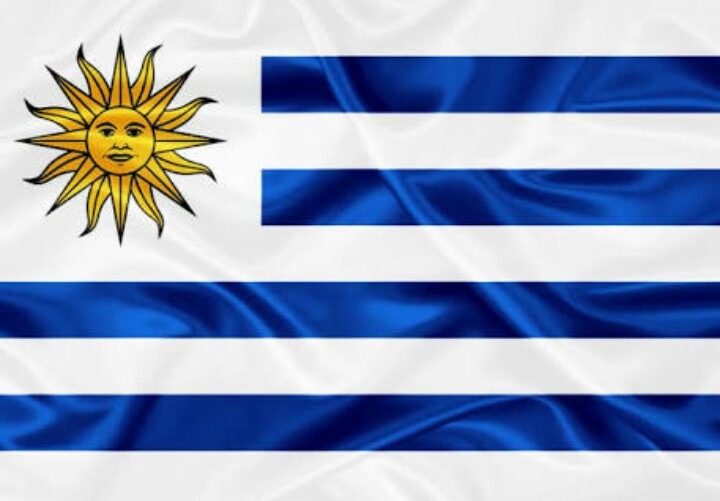
Em decisão histórica, Parlamento do Uruguai aprova direitos para transexuais.

Resultado de imagem para bandeira do uruguai


Na madrugada do dia 19 de outubro, sexta-feira, a Câmara dos Deputados do Uruguai aprovou uma lei histórica que garante uma série de direitos para transexuais. 

A nova legislação estabelece medidas para combater a discriminação contra transgêneros e avançar na garantia de seus direitos, criando mais possibilidade de acesso ao trabalho e à moradia. O texto da lei obriga os poderes Legislativo, Executivo e Judiciário, governos departamentais, entidades autônomas e outras repartições públicas que destinem, por ano, 1% de vagas de emprego para esta parcela da população. Também estabelece facilidades para a mudança de nome das pessoas trans no Registro Civil.


domingo, 14 de outubro de 2018

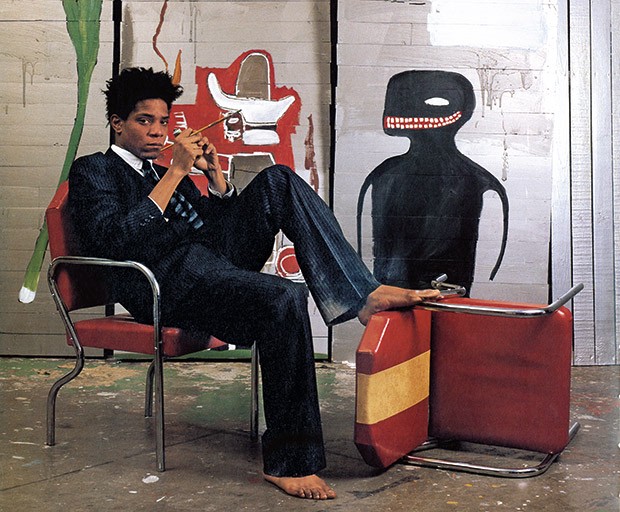
CCBB traz 80 obras de acervo particular de Basquiat. De 12/10 a 07/01 no CCBB Rio de Janeiro.

Exposição retrospectiva do Basquiat (1960-1988), inédita no país, com mais de 80 quadros, desenhos e gravuras. Ele desenvolveu um estilo novo e expressivo, e tornou-se um dos destaques da retomada da pintura figurativa na década de 1980. A obra personifica o caráter de Nova Iorque nos anos 70 e 80, quando a mistura de empolgação e decadência criou um paraíso de criatividade.
As figuras poderosas que dominam a cena na obra do artista levam os críticos a classificá-lo como um Neoexpressionista, ao mesmo tempo em que está imerso na cultura pop.
Curadoria: Pieter Tjabbes
Centro Cultural Banco do Brasil Rio de Janeiro
Rua Primeiro de Março, 66 - CentroCEP: 20010-000 / Rio de Janeiro (RJ)(21) 3808-2020
ccbbrio@bb.com.brFuncionamento: de quarta a segunda, das 9h às 21 horas

“Listen, Dude. I’m Gorgeous.” Transwoman Finds Confidence During Dress-U...

Alcohol use is a leading risk factor for death and disability.

Resultado de imagem para alcohol
Drinking alcohol contributes to nearly 3 million deaths globally and the risk for death increases with the number of alcoholic drinks consumed daily, according to data published in The Lancet.
Alcohol use is a leading risk factor for death and disability.
Griswold and colleagues analyzed 1,286 studies and data sources to estimate the prevalence of drinking alcohol worldwide and the health risks associated with alcohol, including alcohol-attributed deaths. The researchers defined a standard alcoholic drink as containing 10 g of alcohol.
Data showed that 32.5% of the global population, equating to 2.4 billion people, drink alcohol, including 25% of women and 39% of men. Women drank an average of 0.73 alcoholic drinks daily, while men drank 1.7 drinks.
Drinking alcohol contributes to nearly 3 million deaths globally and the risk for death increases with the number of alcoholic drinks consumed daily.
 In 2016, alcohol consumption was the seventh leading   risk factor for premature death and disease worldwide   and contributed to 2.2% of deaths in women and 6.8%     deaths in men, according to the researchers.
 However, drinking alcohol was the leading factor for   premature death and disease among individuals aged   between 15 and 95 years and contributed to 3.8% of   deaths in women and 12.2% of deaths in   men.  Tuberculosis (1.4% of deaths), road injuries (1.2%) and self-harm (1.1%) were the most common alcohol-related causes of death in this age group. Cancers were the most common cause of alcohol-related death among adults aged 50 years and older, accounting for 27.1% of deaths in women and 18.9% of deaths in men.
Alcohol appeared to protect against ischemic heart disease and possibly diabetes and ischemic stroke. However, drinking any amount of alcoholic drinks increased the risk for all other health issues and thus, the adverse effects of alcohol outweighed the protective effect.
Alcohol was not safe to consume at any level, according to the researchers. For example, individuals who consumed one alcoholic drink per day had a 0.5% higher risk for an alcohol-related health problem, compared with those who did not drink at all. The risk for an alcohol-related health problem increased to 7% in individuals who consumed two drinks per day and to 27% in those who had five drinks per day.
Alcohol use and its harmful effects on health could become a growing challenge as countries become more developed, and enacting or maintaining strong alcohol control policies will be vital.
Worldwide, we need to revisit alcohol control policies and health programs, and to consider recommendations for abstaining from alcohol.

quinta-feira, 11 de outubro de 2018

APLICATIVO GAY FAZ ALERTA PARA USUÁRIOS DURANTE AS ELEIÇÕES NO BRASIL: NÃO PUBLIQUEM FOTOS DE ROSTO.


Resultado de imagem para grindr


De acordo com o site Notícias ao Minuto, ontem, quarta-feira, dia 10 de outubro, o Grindr, aplicativo de relacionamento para gays, recomendou no comunicado intitulado "Segurança" que, por causa do período eleitoral, seus usuários "tomassem as medidas necessárias para manterem-se em segurança" e que não publicassem fotos de rosto, por exemplo, devendo os mesmos buscar "imagens que os representem de uma maneira diferente, como uma relacionada a seus hobbies ou personalidade".
O Grindr tem uma política zero para discriminação, assédio e comportamento abusivo.

terça-feira, 9 de outubro de 2018

Notícias de Salvador - Luedji Luna (Clipe Oficial)

João Nery, símbolo do ativismo trans no Brasil.

João Nery (Reprodução/Facebook)

Meus querid@s, o câncer chegou no meu cérebro. Por isso quero prepará-l@s. Continuem a nossa luta por nossos direitos, se unam, não oprimam os nosso irmãos oprimidos ,já por tanta transfobia e sofrimento. Um transmasculino não precisa ser sarado, nem ter barba, nem se hormonizar ou ter penis e se operar. Basta saber quem são e que se sentem do gênero masculino. Vamos nos respeitar, nos unir, nos fortalecer e, sobretudo, ensinar aos homens cis o que é ser um homem sem medo do feminino. Espero ainda está aqui por algum tempo, mas sei até quando.Obrigado por todos que pediram pela minha saúde, mas eu também fui responsável pelo meu destino. Agradeço poder ter ajudado a tantos que estavam perdidos no meio da escuridão.Sei que outros iluminaram os seus caminhos. Façam grupos, ampliem a rede, se orgulhem de ser trams. Faremos um novo mundo! Mais humano, sem machismo, preconceito ou misogenia. Votem em candidatos que defendam os direitos LGBT. Breve estarei terminando meu novo livro “Velhice Transviada. onde falo do transvelho que sou e tb de depoimentos e outr@s tansidosos. Tema inédito na literatura brasileira. Não sei se viverei até o lançamento, mas comprem, leiam e divulguem. Ainda não sei a editora. Beijos no coração de todos e não se acovardem. Ser o que somos não tem preço, Viver uma mentira nos enlouquece.

Saturday, 13 October 2018, World Hospice and Palliative Care Day 2018 theme: Palliative Care – Because I Matter

The theme for World Hospice and Palliative Care Day 2018 is: Palliative Care – Because I Matter. 

This theme was selected following an open consultation with people directly affected by serious illness, WHPCA members and supporters, and global hospice and palliative care advocates. Thank-you to all who took part in the consultation. 

We chose ‘Because I Matter’ as this year’s theme, because it centres on the lived experience of people affected by serious illness, looking at what matters most, including the often-overlooked financial impact of palliative care needs on individuals and households. The theme also contains elements of human rights and justice, asking: If I matter, then why am I not getting the care I need?

This year is the centenary of Dame Cicely Saunders, founder of the modern hospice movement. So it is fitting that this year’s World Hospice and Palliative Care Day theme draws its wording from her iconic quote: "You matter because you are you and you matter until the end of your life."

World Hospice and Palliative Care Day aims to:
  • share our collective vision to increase the availability of hospice and palliative care throughout the world by creating opportunities to speak out about these issues
  • raise awareness and understanding of the needs – medical, social, practical, spiritual – of people living with a life limiting illness and their families
  • raise funds to support and develop hospice and palliative care services around the world.
A key action for this year’s World Hospice and Palliative Care Day campaign will be to call on governments to listen to people who need or access palliative care and support the inclusion of the essential package of palliative care in all national Universal Health Coverage (UHC) schemes.

Keep an eye on the World Hospice and Palliative Care Day webpage for updates and materials, and to register your World Hospice and Palliative Care Day event.

This theme will be the first in a three-year series around the value and economics of palliative care.

terça-feira, 2 de outubro de 2018

Webdoc "Invisíveis", dirigido por Luísa Krummenauer e produzido pela Agência Experimental de Comunicação – AGECOM da FEEVALE de Novo Hamburgo RS.

Switzerland, now is illegal to discriminate based on gender identity or sexual orientation.

Resultado de imagem para switzerland flag
Switzerland has voted to impose the strictest penalties in the world for trans- and homophobia, putting them on par with racism.
Those found guilty of either could face up to three years in prison.
The Swiss National Council voted 118 to 60 to change their penal code, making it illegal to discriminate based on gender identity or sexual orientation.
Marriage is still not legal in the country, meaning that same-sex couples lack legal standing for adoption, welfare, and taxes.
As a result, the country dropped three places in its rankings on the International Lesbian, Gay, Bisexual, Trans and Intersex Association’s (ILGA) annual Rainbow Index in 2017.
This legal change opens the door for a renewed push for marriage rights in Switzerland. At current, Switzerland only allows for civil partnerships for same sex couples.
Resultado de imagem para switzerland flag

domingo, 30 de setembro de 2018

PARADA GAY RIO DE JANEIRO

23 ANOS DEPOIS, A COMUNIDADE LGBT ELEGE COMO SLOGAN A CONSCIENTIZAÇÃO CRÍTICA E O PODER DE SEU VOTO. NESTE DOMINGO, MILHARES DE PESSOAS SE REUNIRAM NA ORLA DE COPACABANA A FIM DE GRITAREM AOS QUATRO CANTOS QUE SEU VOTO TEM VALOR, E MUITO MAIS, ESSE VOTO TEM PODER DE ESCOLHER REALMENTE AQUELES CANDIDATOS QUE NÃO CONTRIBUEM PARA PERDAS DOS NOSSOS DIREITOS CIVIS. RESISTIR É PRECISO!


JOÃO NERY, PRIMEIRO HOMEM TRANS A SER OPERADO NO BRASIL, UM PIONEIRO NO ATIVISMO DAS PESSOAS TRANS NO NOSSO PAÍS. 


quinta-feira, 27 de setembro de 2018

STONEWALL NATIONAL MUSEUM: NAZI PERSECUTION OF HOMOSEXUALS 1933-1945.


Nazi Persecution of Homosexuals 1933–1945 is a traveling exhibition produced by the United States Holocaust Memorial Museum. Through reproductions of historic photographs and documents, this exhibition explores the rationale, means, and impact of the Nazi regime’s persecution of homosexuals, which left thousands dead and shattered the lives of many more.
Thousands of homosexuals, primarily gay men, perished at the hands of the Nazis along with millions of Jews and other victims including Roma (Gypsies), Poles, Soviet prisoners of war, Jehovah’s Witnesses, and the disabled during World War II and the Holocaust.
“The exhibition explores why homosexual behavior was identified as a danger to Nazi society and how the Nazi regime attempted to eliminate it,” says exhibition curator Edward Phillips. “The Nazis believed it was possible to ‘cure’ homosexual behavior through labor and ‘re-education.’ Their efforts to eradicate homosexuality left gay men subject to imprisonment, castration, institutionalization, and deportation to concentration camps.”
In 1933, the year Adolf Hitler assumed power, an estimated one million homosexual men lived in Germany. Nazi policy asserted that homosexual men carried a “degeneracy” that threatened the “disciplined masculinity” of Germany. As homosexuals were believed to form self-serving groups, the emergence of a state-within-the state that could disrupt social harmony was also feared. Additionally, the Nazis charged that homosexuals’ failure to father children was a factor in Germany’s declining birth rate, thus robbing the nation of future sons and daughters who could fight for and work toward a greater Reich.
Between 1933 and 1945, an estimated 100,000 men were arrested for violating Nazi Germany’s law against homosexuality, and of these, approximately 50,000 were sentenced to prison. An estimated 5,000 to 15,000 men were sent to concentration camps on similar charges, where an unknown number of them perished.

domingo, 23 de setembro de 2018

Celebrate Bisexuality Day – What Bi Visibility Means in the Workplace


By Dr. Lauren Beach, J.D.
Today marks the 15th annual Celebrate Bisexuality Day. The day is also known as Bi Visibility Day or Bi Pride Day. To celebrate the last 15 years, GLAAD, BiNet USA and other bisexual organizations are launching Bisexual Awareness Week (#biweek www.bisexualweek.com). Some people may be wondering – why do bisexuals need a special day, let alone an entire week, to celebrate pride in their identity? Isn’t LGBT Pride Month enough? The truth is, bisexuals are often misunderstood and rejected not only by straight communities, but also all too often by our gay and lesbian allies. These misunderstandings stem from misconceptions that bisexuality is “just a phase,” or that because bisexuals are supposedly “half straight,” (actually, no, I’m 100% bisexual, thanks), they do not face as much stigma as gay or lesbian people for their sexual orientations.
Bisexual people experience a lack of understanding and a rejection of bisexuality known as biphobia  – and it has costs, not only on the individual level, but also in the workplace. As someone who has lived and worked in locations with varied laws recognizing LGBT equality in the workplace, my own life experiences have taught me the importance of the ability to be out at work. I found it was incredibly stressful working in a state without workplace equality and with no anti-discrimination protections for LGBT people. The lack of out LGBT workplace role models made coming out at work unknown territory. Would I be fired? Harassed? Would people rally to my support or defense? Everything was an unknown. Every time my boss asked to meet with me and every time my co-workers paused their conversations as I walked by, I would wonder – “Did they find out? Will I be fired?” This inability to bring “my whole self” to work distracted from my ability to dedicate 100% of my mental abilities to my job – an outcome that surely lowered my maximum potential productivity.

As a bisexual who has dedicated countless hours to LGBT organizations, causes, and movements, I have also experienced ridicule and rejection from gay and lesbian people who do not believe that bisexuality is a valid sexual orientation. I feared that my gay and lesbian colleagues might not support my coming out as bisexual – and that this rejection, even from supposedly peer LGBT community members – could encourage further ridicule from straight colleagues.
Even in states where LGBT employment protections for sexual orientation and gender identity exist, there are still misunderstandings and harassment based on bisexual identity. Biphobic comments in the workplace made by straight or gay and lesbian colleagues can create a hostile work environment that decreases workplace productivity. When people say, “your bisexuality is none of my business… why are you making it my business (by coming out at work?),” nothing could be further from the truth. Not feeling comfortable being out at work – whether as gay, lesbian, bisexual or transgender – decreases workplace productivity, hurting the bottom line. Creating a welcoming work environment for bisexuals – and all LGBT people – is literally everyone’s business.
So – how can recognizing events like Bisexual Awareness Week and Bi Visibility Day help? When an employer hosts a well-advertised, well-organized Bi Visibility Day event, they send a message it is okay to come out as a bisexual at work. Some employees will receive this message and choose to come out, creating the beginning of a Celebrating Bi Visibility Day. This will help bisexual employees to feel comfortable and accepted at work.